

Single Dose
vs Hopper
Single dosing gives you flexibility. Hopper grinding gives you speed. The better option depends on how many coffees you use, how often you change grind settings and how many drinks you prepare every day.
Which grinder workflow is better for home?
Single-dose grinders are usually the better choice for home brewers who switch coffees, use different brewing methods or want precise control over each dose.
Hopper grinders are usually better for people using the same beans every day who want a faster and more repeatable routine.
Neither system automatically makes better coffee. Burr design, grind consistency, adjustment, alignment, retention and overall grinder performance still matter.
Control every dose.
Measure only the coffee required for the next brew, load it into the grinder and grind that exact portion.
Reduce the steps.
Keep multiple doses of the same coffee above the burrs and grind the required amount whenever you brew.
Choose around your habits, not the label.
Single dosing works particularly well if you:
- Buy several coffees at once
- Switch between espresso and filter
- Use different grind settings
- Drink regular and decaf coffee
- Experiment with new beans
- Want direct control over each dose
A hopper grinder makes more sense if you:
- Use one coffee most of the time
- Make several drinks every day
- Want a faster morning routine
- Prefer timer-based dosing
- Share the grinder with other users

DF64 Gen 2
The DF64 Gen 2 is designed around single dosing with flat burrs, stepless grind adjustment and a low-retention workflow.
Its bellows system helps remove retained grounds while its static-control design supports a cleaner workflow.
Single dose vs hopper grinder.
Is single dosing better for freshness?
Single dosing gives you more control over how long beans remain inside the grinder. Your main coffee supply can remain in a suitable storage container until you need it.
Freshness, however, is not determined by dosing style alone.
What stays inside the grinder matters.
Retention is coffee left inside the grinder after grinding. It becomes particularly relevant when moving between different coffees.
Small amounts of retention may matter less when you always grind the same beans. When changing coffees frequently, carryover becomes more important.

Eureka Mignon Zero 55S
The Mignon Zero 55S combines flat burrs and stepless micrometric adjustment with a dedicated single-dose workflow.
Its single-dose hopper and bellows system help clear coffee from the grind path when changing beans.
This is where single dosing makes its strongest case.
When every coffee needs a different dose or grind setting, loading one measured portion at a time makes changing coffees considerably easier.
Pour-Over
Espresso
Coffee
Decaf
Espresso

Mahlkönig X64 SD
The X64 SD is designed around single dosing and flexible home brewing, making it relevant when moving between espresso and filter.
Its workflow is suited to home brewers who change coffee or brew method frequently.
Which workflow is faster?
One or two daily brews
Either workflow can work comfortably.
Several identical drinks
Hopper grinding usually requires fewer steps because the coffee is already loaded.
Several different coffees
Single dosing can become faster because there is no full hopper to empty between coffees.
The grinder should follow the way you brew.

Espresso
Both formats work. Single dosing helps when regularly dialing in new coffees.
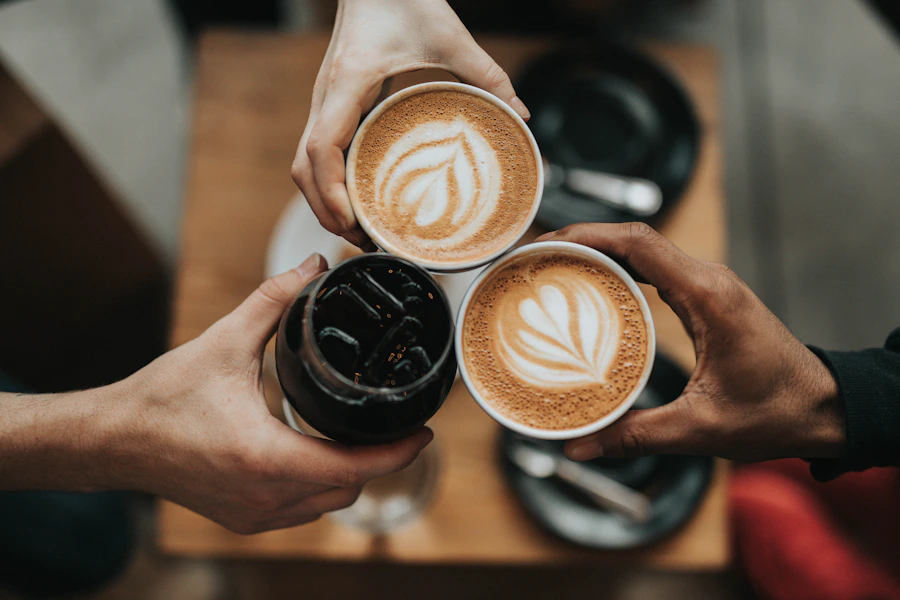
Pour-Over
Single dosing suits changing recipes, doses and grind settings.

Multiple Methods
Espresso, V60, AeroPress and French press strongly favour workflow flexibility.

Repeated Espresso
One coffee and several drinks each day strongly favour hopper convenience.
Match the workflow to the stage of your setup.
Keep it simple.
If you normally use one coffee, a hopper grinder can keep the everyday routine straightforward.
Flexibility becomes valuable.
This is where grinders such as the DF64 Gen 2 become attractive for espresso and filter users.
Add more control.
RPM adjustment, automated clearing and grind-by-weight integration can add another layer of workflow control.

Acaia Orbit
The Orbit extends the single-dose workflow with automatic cleaning, adjustable RPM and grind-by-weight operation when paired with an Acaia Lunar.
Its multi-purpose hopper can support both single dosing and larger batch-oriented configurations.
Which grinder type fits your routine?
Make the workflow decision first.
Buy single dose if:
- You change coffee often
- You brew espresso and filter
- You want direct dose control
- You experiment with recipes
- You use regular and decaf coffee
- Low retention matters
Buy hopper if:
- You use one coffee most of the time
- You make several drinks daily
- You prioritize speed
- You prefer a repeatable routine
- Several people use the grinder
Consider a flexible system if:
- You want both workflows
- You sometimes batch grind
- You regularly single dose
- You want adaptable hopper configurations
Flexibility or speed?
Single dosing gives you flexibility. Hopper grinding gives you speed.
Once you choose the workflow, compare the burrs, adjustment, retention, motor, grind consistency and maintenance requirements.
Explore Coffee Grinders